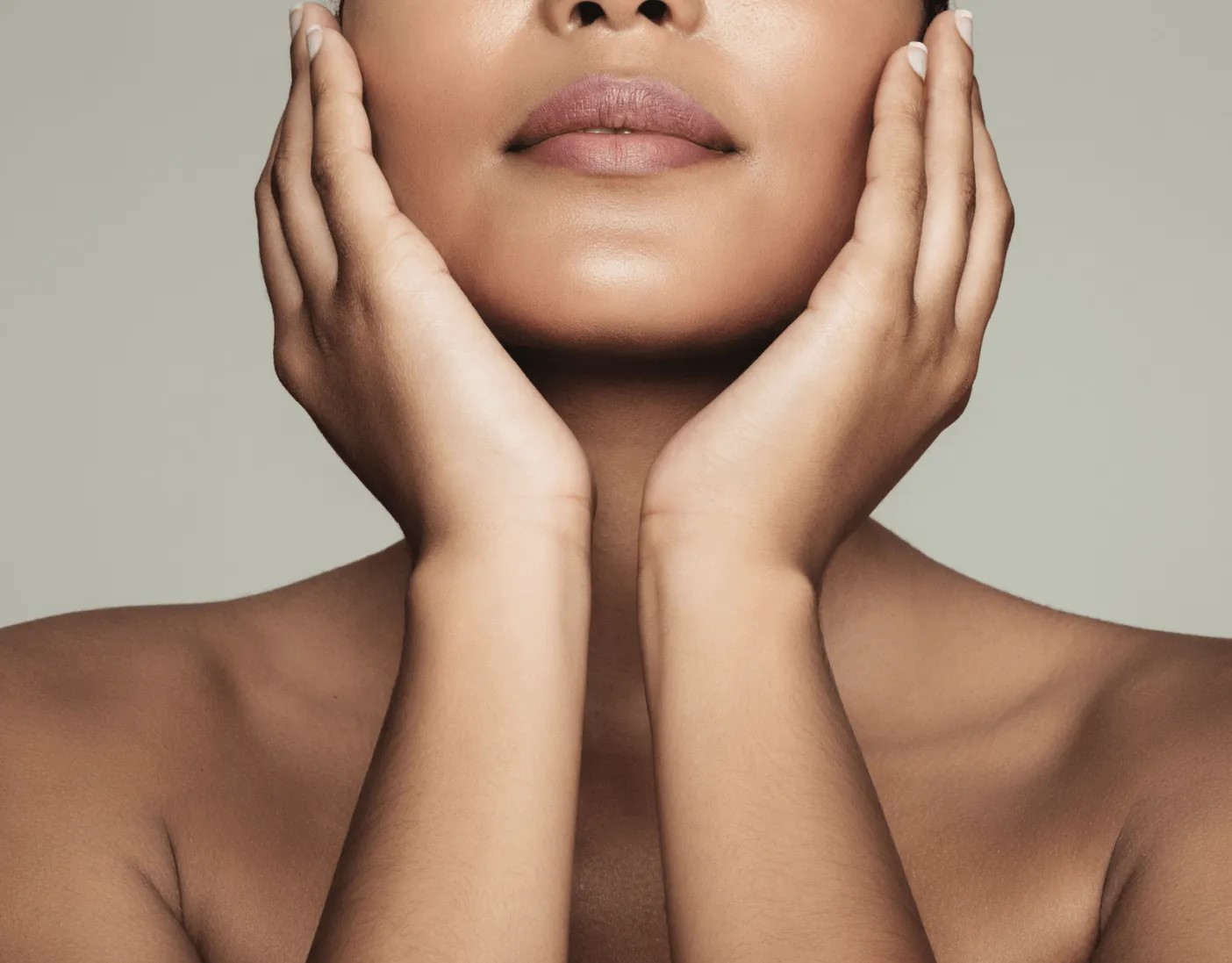
What Does Science Say About Achieving Glowing Skin?
Glowing skin is one of the most searched beauty topics online. Open any social platform, and you will find endless promises: a cream that erases dullness in a week, a supplement that delivers radiance overnight, a ritual that transforms your complexion while you sleep. But behind the filters and the marketing claims, what does science actually say about achieving that healthy, lit‑from‑within look? Dermatologists define a true “glow” as the visible evidence of a healthy skin barrier. This barrier is the outermost layer of your skin, the stratum corneum, which acts like a brick wall: the “bricks” are skin cells called corneocytes. Additionally, the “mortar” is a lipid matrix made of ceramides, cholesterol, and fatty acids. This structure locks in moisture, keeps irritants out, and gives your complexion its natural radiance.
The problem? That foundation is constantly under siege. UV radiation, environmental pollution, harsh cleansers, and even psychological stress degrade the barrier. When it weakens, water escapes, inflammation rises, and your skin looks dull, dry, or prematurely aged. The good news is that science gives us a clear, practical roadmap for protecting and repairing that barrier. It does not rely on expensive miracles or 20‑step routines. Instead, it rests on three pillars: daily habits that support skin from the inside out, evidence‑backed ingredients that actively improve barrier function, and a simple routine that protects by day and repairs by night.
Frequently Asked Questions
How long does it take for a new Skincare or habit change to show results?
It depends. Hydration and surface smoothness can improve in 2–4 weeks, especially with hyaluronic acid or niacinamide. Pigmentation and fine lines take longer: consistent use of retinoids or vitamin C typically shows visible improvement at 3–6 months. Lifestyle changes like better sleep may show subtle effects within a week, but bigger changes need patience. Glow is a long game.
Is expensive Skincare always better than drugstore products?
No, price does not directly correlate with efficacy. What matters are the active ingredients, their concentrations, and the formulation’s ability to deliver them. Many affordable brands (e.g., The Ordinary, CeraVe, La Roche‑Posay) are backed by solid science. Focus on ingredients, not logos.
Is it necessary to see a Dermatologist for glowing skin, or can I do it on my own?
Most people can achieve healthy, glowing skin with a consistent routine of good habits and over‑the‑counter products. However, if you have persistent concerns like cystic acne, rosacea, melasma, or significant hyperpigmentation, a dermatologist can diagnose underlying conditions and prescribe stronger treatments (e.g., prescription retinoids, compounded formulas) not available over the counter. A professional can also help you avoid trial‑and‑error that wastes time and money.
The Science of the Skin Barrier
1. Structure and Function: The stratum corneum is composed of corneocytes (bricks) and a lipid matrix of ceramides, cholesterol, and fatty acids (mortar). This mortar forms a hydrophobic seal that locks in moisture and blocks out pollution, bacteria, and irritants.
2. Barrier Dysfunction: When the barrier is compromised, the skin becomes dry, inflamed, and dull. This dysfunction is worsened by psychological stress, which research shows degrades the barrier and increases fine lines. As we age, the barrier’s ability to repair itself also slows.
Key takeaway: The skin barrier’s natural lipid matrix is built from ceramides, cholesterol, and fatty acids. Additionally, supporting these ingredients either through diet or topical products is essential for maintaining resilient, glowing skin.
The Internal Factors of Skin Health
However, good skin is a reflection of internal wellness. Science shows that habits like sleep, diet, and stress management are essential for promoting a healthy glow.
1. Sleep: Your skin’s repair cycle is tied to your circadian rhythm. Research indicates that sleep deprivation degrades the skin barrier, reduces hydration, and accelerates signs of ageing. During deep sleep, blood flow increases, collagen production peaks, and repair hormones are released. Prioritising 7–9 hours of quality sleep does more for your glow than any night cream.
2. Diet: High‑glycemic foods (white bread, sugary snacks) promote collagen‑damaging glycation and are linked to acne. In contrast, diets rich in omega‑3 fatty acids (fatty fish, walnuts, flaxseeds) support skin hydration and firmness. Antioxidant‑rich fruits and vegetables fight the free radicals that dull skin.
3. Stress Management: The stress hormone cortisol triggers inflammation and can damage skin cells, accelerating ageing and worsening conditions like acne, eczema, and rosacea. Managing stress through exercise, meditation, or simply time outdoors is crucial to maintaining a clear, calm complexion.
The Most Evidence‑Backed Skincare Ingredients
In addition to healthy habits, targeted skincare ingredients can help repair damage and enhance your natural glow.
1. Vitamin C (L‑Ascorbic Acid): This potent antioxidant inhibits melanin production (reducing dark spots) and stimulates collagen synthesis, smoothing fine lines. Clinical studies confirm that daily use improves skin brightness by counteracting pollution and UV damage. Look for stable, well‑formulated serums with 10–20% concentration.
2. Retinoids (Vitamin A): Retinoids are the gold standard for anti‑ageing. They boost collagen production, accelerate cell turnover, and fade hyperpigmentation. Over‑the‑counter retinol is a milder option; prescription tretinoin is stronger. Sunscreen is non‑negotiable when using retinoids, as they increase UV sensitivity.
3. Niacinamide (Vitamin B3): This versatile ingredient boosts production of ceramides and other skin barrier lipids, locking in moisture and resilience. It also reduces inflammation, controls oil production, and helps fade dark spots. Studies show it works well with almost all other actives.
4. Hyaluronic Acid (HA): A powerful humectant that holds over 1,000 times its weight in water, HA provides surface hydration. However, emerging research also shows that oral HA supplements can improve skin glow from within. Nevertheless, use it on damp skin and seal with a moisturiser.
5. Chemical Exfoliants (AHAs & BHAs): These acids dissolve the bonds holding dead skin cells together. AHAs (glycolic, lactic acid) brighten the skin’s surface, while BHAs (salicylic acid) penetrate pores to clear oil and improve texture. Use 2- 4 times per week, not daily, to avoid over‑exfoliation.
A Simple, Science‑Backed Skincare Routine
You do not need a dozen products. Here is a minimal, effective routine built on the science above.
1. Morning (Protection)
- Gentle cleanser (or just water)
- Vitamin C serum
- Moisturiser (with ceramides or niacinamide)
- Sunscreen SPF 30+. Non‑negotiable
2. Evening (Repair)
- Gentle cleanser (double cleanse if you wore makeup/sunscreen)
- Treatment: retinoid or chemical exfoliant (3–5 nights per week, not both on the same night)
- Moisturiser (with barrier‑repairing lipids)
3. Lifestyle Habits (No Products)
- 7–9 hours of quality rest
- Drink water consistently
- Consume whole foods, restrict sugar
- Manage stress
- Change pillowcases weekly
- Do not touch your face
Wind Up
Furthermore, the science of glowing skin is not mysterious. It is the sum of a healthy, intact skin barrier: the bricks and mortar that keep moisture in and irritation out. Achieving that barrier does not require a cabinet full of expensive creams or a 12‑step ritual. It requires understanding the three pillars that actually work. Stop chasing the next viral product. Start with the science. Feed your skin from the inside, support its natural barrier with proven ingredients, and protect it from the damage you cannot see. That is the real secret to glowing skin, and it has been there all along.
Comments