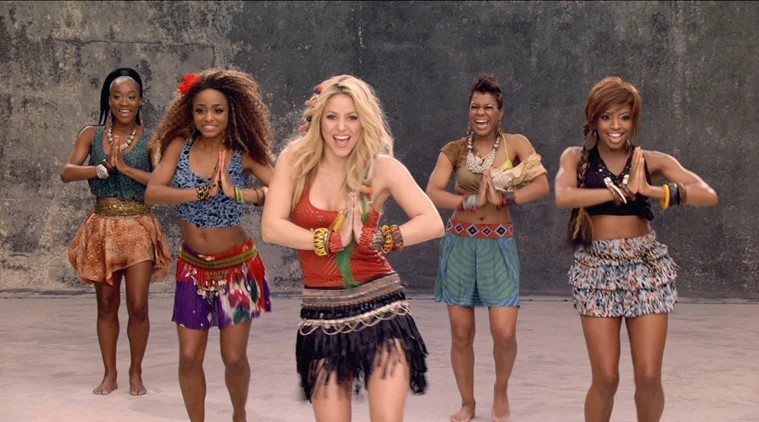
What Does Shakira's Waka Waka Mean? The African Origins and Zangalewa Story
What does Shakira's Waka Waka mean? Since its release as the official anthem of the 2010 FIFA World Cup, this question has intrigued millions of football fans and music lovers around the world. While many people recognise the song for its catchy chorus and energetic rhythm, far fewer know that its story began decades earlier in Central Africa. Moreover, the song was released in 2010; "Waka Waka (This Time for Africa)" introduced global audiences to a phrase that quickly became synonymous with football celebrations.
Frequently Asked Questions
What does "Waka Waka" mean?
"Waka Waka" is commonly understood as an expression encouraging people to keep moving, keep going, or continue pushing forward. Although interpretations vary across different African languages and communities, the phrase carries a message of determination, energy, and perseverance.
Is Zangalewa still popular today?
Yes. Although many people know it because of "Waka Waka," "Zangalewa" remains an important part of Cameroon's musical history and continues to be celebrated across several African countries.
What message does Waka Waka convey?
The song encourages courage, perseverance, teamwork, and confidence. These themes reflect both the spirit of football and the broader idea of overcoming challenges through unity and determination.
What Does "Waka Waka" Mean?
Unlike many English song titles, "Waka Waka" does not have a single direct translation. Instead, it is widely regarded as an energetic expression that encourages action, confidence, and persistence. Depending on the cultural context, it can be interpreted as "keep going," "move forward," or "come on." These meanings align perfectly with the spirit of football, where determination, teamwork, and resilience often decide the outcome of a match.
The phrase became globally recognised after the release of Shakira's World Cup anthem, but its roots extend far beyond international pop music.
The African Origins of Waka Waka
The story of "Waka Waka" begins in Cameroon. Long before the 2010 FIFA World Cup, the Cameroonian band Golden Sounds recorded "Zangalewa," a lively song that combined military-style marching chants with humour, dance, and traditional African rhythms. The song became extremely popular across Central and East Africa, spreading through radio broadcasts, military performances, and cultural events. Its infectious chorus and distinctive beat allowed it to travel beyond Cameroon, eventually becoming familiar in countries including Kenya, Uganda, Tanzania, and South Africa. Nevertheless, for many Africans, "Zangalewa" was already a classic long before the rest of the world heard "Waka Waka."
The Story Behind Zangalewa
"Zangalewa" was more than a dance song. It reflected elements of military life, using playful storytelling and exaggerated performances to entertain audiences while celebrating resilience and unity. Members of Golden Sounds had military backgrounds, and that experience influenced both the song's marching rhythm and its visual style. The combination of humour, discipline, and energetic movement helped make "Zangalewa" one of Africa's most memorable popular songs during the 1980s. Over time, it became part of the continent's musical heritage.
Why the African Influence Matters
One of the reasons "Waka Waka" became so memorable is that it remained rooted in African music. Traditional African rhythms, percussion, group vocals, and call-and-response singing all influenced the song's final arrangement. These musical traditions have been part of African culture for generations, making the anthem feel authentic to many listeners while introducing others to sounds they had never experienced before. Additionally, the decision to preserve these influences was particularly significant because the 2010 tournament marked the first FIFA World Cup hosted in Africa. For many supporters, the song became a celebration not only of football but also of African identity.
A Song That Reached the Entire World
Following its release in 2010, "Waka Waka (This Time for Africa)" quickly became one of the most successful World Cup songs ever recorded. The anthem topped music charts in numerous countries, received extensive radio and television coverage, and became a permanent feature at sporting events and celebrations. Its popularity extended well beyond football, helping introduce African-inspired music to audiences across Europe, Asia, the Americas, and beyond. More than a decade later, it remains one of the most recognisable songs associated with the FIFA World Cup.
Why the Song Continues to Matter
Many official World Cup songs fade after the tournament ends. "Waka Waka" proved different. Its message of perseverance, its memorable chorus, and its blend of African and Latin musical traditions have allowed it to remain popular long after the 2010 World Cup concluded. For football fans, the song recalls unforgettable moments from South Africa 2010. For music lovers, it represents one of the most successful examples of cultural collaboration between African music and global pop. Its continued popularity demonstrates how music can cross borders, languages, and generations.
Wind Up
The meaning of Shakira's "Waka Waka" extends far beyond its famous chorus. While the song became the soundtrack to the 2010 FIFA World Cup, its true origins lie in the Cameroonian classic "Zangalewa" and the rich musical traditions of Africa. Furthermore, by adapting an already beloved African song for a global audience, the anthem introduced millions of people to a piece of the continent's cultural heritage. Today, "Waka Waka" remains more than a football song. It stands as a reminder that music has the power to unite cultures, celebrate shared experiences, and tell stories that continue to inspire people around the world.
Comments