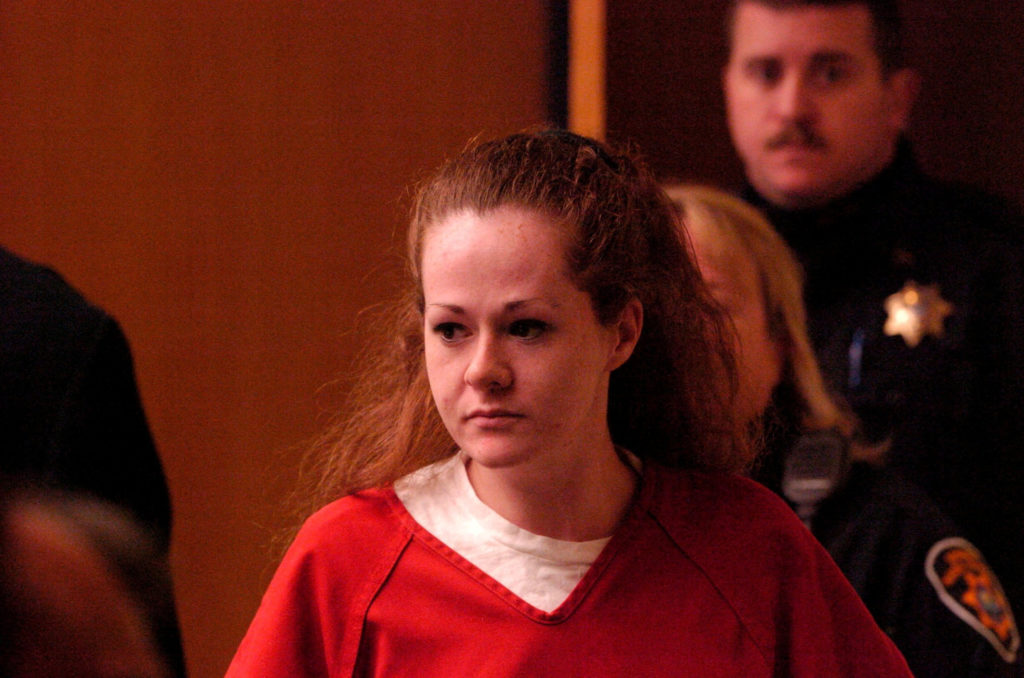
What Happened During Christa Pike’s Failed Execution?
On September 30, 2026, Tennessee attempted to execute Christa Gail Pike by lethal injection. What was expected to be a routine execution became an extraordinary event when Pike remained alive after the state administered two doses of pentobarbital. Witnesses reported that she continued breathing and making sounds during the procedure. She was eventually taken from the prison to a hospital, where she remained in critical condition. The incident has raised serious questions about Tennessee's execution procedures, medical complications, the use of lethal injection and what should happen when a state fails to carry out a death sentence.
Frequently Asked Questions
When was Christa Pike's execution attempted?
The execution was attempted on September 30, 2026, at Riverbend Maximum Security Institution in Nashville, Tennessee.
What drug was used?
Tennessee's protocol used pentobarbital. Two doses were administered during the execution attempt.
Did Christa Pike die?
No confirmed report as of October 3, 2026, established that Pike had died. Her attorneys reported that she remained unconscious and on a ventilator in hospital care after the failed execution.
Why did the execution fail?
Pike's lawyers have argued that problems with intravenous access prevented the drug from entering her bloodstream properly. They had previously warned about difficulties with her veins and medical condition. The state, however, said that its established execution protocol had been followed. An independent review has been ordered to determine what happened.
What Happened Before the Execution?
Pike's execution had already been delayed before the lethal injection began. A federal appeals court temporarily halted the execution because it needed additional time to consider arguments raised by Pike's lawyers, including claims concerning her history of sexual abuse and neglect. Tennessee appealed to the U.S. Supreme Court, which allowed the execution to proceed later that day. The execution eventually began several hours after its original scheduled time. Pike was placed on a gurney in the execution chamber. According to witnesses, she gave a final statement and said she was leaving the world with love. She also sang with her spiritual adviser before the procedure continued.
What Happened After the First Dose?
The first administration of pentobarbital did not result in Pike's death. Witnesses reported that she continued breathing. Reports also described snoring sounds and movement. At one point, Pike reportedly complained that her arm was hurting or burning. Tennessee's execution protocol provided for a second dose if the prisoner was not determined to be dead after the first administration. A second dose was therefore given. Yet Pike still did not die. According to her lawyers, she continued to have a heartbeat and was breathing after the two doses had been administered. Emergency medical treatment was then sought, and Pike was transported to a hospital.
Why Did the Execution Become So Prolonged?
The procedure lasted far longer than an ordinary lethal injection execution. According to the Associated Press, witnesses waited before the execution chamber curtain opened. Once the procedure was underway, problems surrounding the intravenous access became an important part of the account given by Pike's lawyers. Her attorneys had previously warned that Pike had medical issues that could make intravenous access difficult. They also argued that her medical condition could increase the risk of complications. Pike's lawyers later said they believed problems with the IV lines caused the pentobarbital to enter tissue rather than the bloodstream as intended. That remains an allegation from the defence, rather than a final finding by an independent investigation.
What Did Tennessee Say?
The Tennessee Department of Correction said it followed the state's established execution protocol. The department stated that the lethal-injection chemical had consistently been effective and that the protocol did not provide for additional procedures beyond those carried out that night. The department confirmed that Pike had been transported to an off-site medical facility. This creates an important distinction in understanding the incident. The state maintains that officials followed the approved procedure. Pike's lawyers argue that the procedure itself was fundamentally inadequate and that warnings about her medical condition were not properly addressed. An independent investigation is therefore necessary before definitive conclusions can be drawn.
What Happened After Pike Was Taken to Hospital?
The execution attempt ended without Pike's death, and she was taken to hospital. Her attorneys later said she was in critical condition, unconscious and receiving life-support treatment. On October 3, Tennessee Governor Bill Lee announced that Department of Correction Commissioner Frank Strada would resign later in the month. The governor also appointed former U.S. Attorney Ed Stanton to lead an independent review of the failed execution. The governor also paused Tennessee's remaining executions for 2026.
The significance of that decision extends beyond Pike herself. Tennessee had already experienced another failed execution in May 2026, when the execution of Tony Carruthers was halted because officials could not establish the required intravenous access.
What Questions Does the Failed Execution Raise?
The incident raises questions that go beyond the individual case.
Can a state safely carry out lethal injection?
If a state is going to use lethal injection, it has a responsibility to establish whether its procedure can reliably achieve the intended result while meeting constitutional and medical requirements.
What happens when the procedure fails?
Pike's case is particularly unusual because the state administered two doses but still did not achieve death. Tennessee's protocol reportedly did not specify what should happen if the second attempt also failed.
Should executions continue while an investigation is taking place?
The governor's decision to pause the remaining 2026 executions reflects the seriousness of the questions raised by the incident.
Does a failed execution change the punishment?
That is ultimately a legal question. A failed execution does not automatically erase a death sentence, but the circumstances may create new constitutional and legal issues that courts must consider.
Why This Case Is Different From an Ordinary Botched Execution
Failed executions have occurred before. What makes Pike's case particularly extraordinary is that she remained alive after two doses of the lethal-injection drug had been administered.
The Death Penalty Information Center described the incident as unprecedented in the modern American death-penalty era. That makes the case important beyond Tennessee. It raises the question of whether a state should be permitted to attempt another execution after such a failure, particularly where the prisoner survives and suffers serious medical consequences. It also forces the public to examine whether an execution procedure can be considered reliable when medical and procedural difficulties were raised beforehand.
Comments