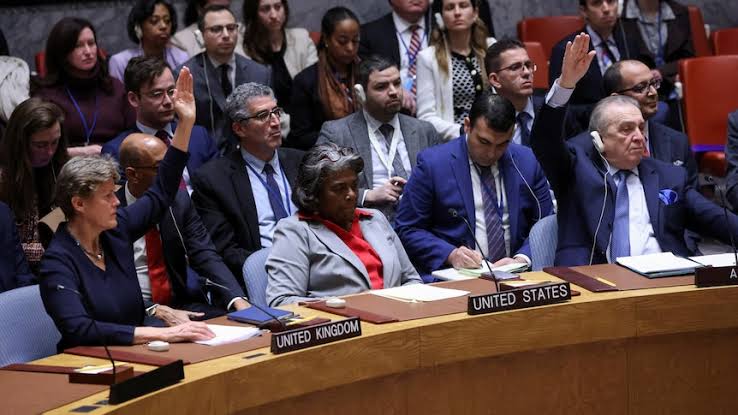
What Would Happen If the UN Security Council Abolished Permanent Membership?
What would happen if China, France, Russia, the United Kingdom and the United States no longer held permanent seats on the United Nations Security Council? Additionally, it would be one of the most significant changes in the history of the United Nations. The Council would no longer reserve its highest level of membership for five particular countries, and all members might have to seek their positions through an agreed election system.
But would this make the organisation fairer? Nevertheless, would it give smaller countries a stronger voice? And could the Council still respond effectively to international conflicts without the special powers held by the permanent five? These questions matter because Security Council reform is not simply about deciding which countries should receive more seats. It is also about whether permanent membership remains the right foundation for international decision-making.
Frequently Asked Questions
What does abolishing permanent membership mean?
It would mean ending the special status of the five permanent members and replacing it with another agreed system of membership.
Would the five existing permanent members lose their seats?
Under a model that abolished permanent membership entirely, they would no longer hold guaranteed seats. They could potentially serve through elections, depending on the rules of the new system.
Would every country get an equal opportunity to serve?
That would depend on the new system. Elections, regional allocation and rotation could be designed to widen participation, but the details would matter.
Has the UN agreed to abolish permanent membership?
No. Abolition is one position within the broader reform debate, not an adopted UN policy. The Uniting for Consensus group, for example, opposes expanding permanent membership and has argued that ideally permanent membership and the veto should be abolished.
The Discussion: Would Abolition Make the Council More Equal?
One possible consequence would be the removal of the formal distinction between permanent and non-permanent members. Nevertheless, under the current system, every Security Council member has one vote, but the permanent five have additional power because a negative vote from any one of them can block a substantive resolution. Abolishing permanent membership could remove that special privilege if the reform also abolished the veto. Countries would no longer have guaranteed access to the Council simply because they belonged to the original five. Instead, membership could be based on elections, with agreed arrangements to ensure that different regions had opportunities to participate.
For countries that have never held a permanent seat, this could represent a major change. Africa, for example, has long argued that the present Council does not adequately reflect the modern international community. Under an entirely elected system, African countries would not have to wait for permanent seats to be created before seeking a place in the Council. However, this would not automatically guarantee that African countries or smaller states would be elected more frequently. The result would depend on the number of seats, the election rules and how regional representation was organised.
What Would Happen to the Veto?
Although, this would be one of the most important questions. The veto was built into the original Security Council structure to ensure that the major powers would remain involved in decisions concerning international peace and security. If permanent membership disappeared, the veto would need to be reconsidered. One option would be to abolish the veto entirely and allow decisions to be made through a common voting threshold. Another would be to introduce a different system of qualified majorities or safeguards for especially consequential decisions.
Each option would have consequences. Nevertheless, removing the veto could prevent one country from blocking a substantive resolution simply because it disagreed with the proposal. On the other hand, governments would need to consider how to ensure that decisions involving major international security interests could still be implemented effectively. Abolition would therefore raise questions about both equality and decision-making capacity.
Would the Council Become More Representative?
Possibly, but the answer would depend on the replacement system. If all seats were elected for fixed terms, more countries could have opportunities to serve. A regional rotation system could also allow countries from areas that are currently underrepresented to participate regularly. But elections alone would not guarantee equal representation.
Countries with greater diplomatic influence might still secure seats more frequently. Some regions might struggle to agree on candidates. Without carefully designed rules, the system could exchange one form of imbalance for another. This is why representation would need to be built into the new structure rather than assumed to follow automatically from abolishing permanent seats.
My Argument: Should Reform Remove Privilege or Redistribute It?
The debate over Africa's proposed two permanent seats raises a wider question. If the problem is that some countries possess permanent privileges while others do not, should the solution be to add more countries to that privileged group? Or should the system be redesigned so that all countries have a meaningful opportunity to participate in the Council's work? Abolishing permanent membership would pursue the second approach. It would challenge the principle that particular countries should hold guaranteed positions indefinitely.
However, it would also require countries to agree on a replacement that preserves the Council's ability to respond to threats to international peace and security. That is a difficult balance. The point is not that abolition would automatically solve the UN's problems. It is that reform should examine the purpose of permanent membership itself, rather than assuming that the only possible solution is to expand the existing category.
Wind Up
Abolishing permanent membership would fundamentally change the UN Security Council. It could remove the guaranteed positions held by the five permanent members and create opportunities for a more broadly elected system. If the reform also removed the veto, it would change how substantive decisions were made and prevent the former permanent five from blocking resolutions through their special voting privilege. But these changes would come with difficult questions about regional representation, continuity and the Council's ability to act effectively.
Africa's demand for permanent seats is part of this wider debate, even though the African Union's current position is to expand permanent membership rather than abolish it. Ultimately, the question is not simply whether the five permanent members should lose their seats. It is whether the world should continue to organise its most powerful security body around permanent national privileges, or whether another system could provide meaningful representation while allowing the Council to fulfil its responsibilities. However, that is the question any serious discussion of abolition must confront.
Comments