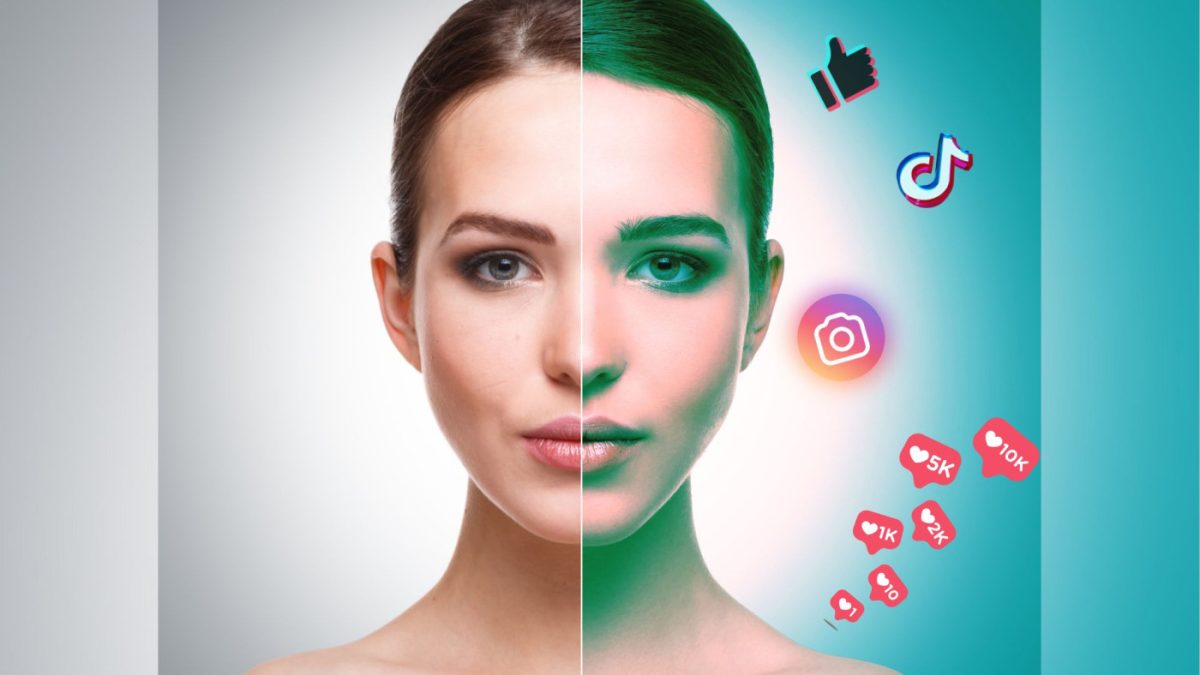
How Social Media Filters Are Changing What We Call Beauty
Scroll through any social media feed, and you will see them: flawless skin, impossibly smooth complexions, eyes that seem to glow, faces sculpted to an ideal that does not exist in nature. These are not photographs. They are filtered realities. Filters have become so common, so expected, that many young people no longer remember what an unedited face looks like online. This shift is not neutral. It is quietly and profoundly reshaping our collective definition of beauty. What happens when the standard of beauty is something that cannot be achieved without software? This post explores how social media filters are changing what we call beautiful, the psychological toll of chasing digital perfection, and what we might do to reclaim a more honest vision of beauty.
Frequently Asked Questions
Are all Social media filters harmful?
Not all filters are equal. The concern is with beauty filters that subtly “improve” appearance without being obvious. These are the ones that distort our sense of normal. Obvious filters like animal ears, rainbow vomit, or ageing effects are clearly fake and do not create the same unrealistic standard. The problem arises when the filter is designed to look like a natural but perfected version of yourself. That is where the harm begins.
Can Adults be affected by filtered Beauty standards?
Adults are also affected, though often in different ways. Adults may compare their ageing faces to filtered images of people the same age, feeling inadequate. They may seek cosmetic procedures to mimic digital smoothing. They may feel pressure to use filters in professional contexts, like video calls, where a “polished” appearance is expected. The pressure is real across age groups, though younger people are more vulnerable because their sense of self is still forming.
What can I do if I feel filters have already damaged my self‑esteem?
First, recognise that the feeling is not your fault. You have been exposed to a rigged comparison. Second, consider a social media break or a “filter‑free” period. Spend time looking at real faces: in a mirror, on friends, in public. Notice the beauty in normal texture and asymmetry. Third, follow accounts that celebrate real skin, diverse features, and honest photography. Finally, if the distress is severe, speaking to a therapist who understands body image issues can be very helpful. You are not alone, and you can retrain your eye.
The Rise of the Filtered Face and How We Got Here
Filters began as playful additions: bunny ears, puppy noses, colour tints. They were obviously fake, a form of digital costume. Over time, beauty filters emerged that smoothed skin, brightened eyes, slimmed noses, and reshaped jawlines. These filters did not announce themselves as fake. They looked like “improved” versions of reality. Today, on platforms like Instagram and TikTok, using a beauty filter is often the default, not an option.
However, social media algorithms reward engagement. Filtered faces get more likes, more shares, more comments. They fit a narrow, homogenised standard: symmetrical features, unblemished skin, high cheekbones, full lips. This standard is not based on real human variation. It is based on what an algorithm has learned that gets attention. The more we engage with filtered faces, the more the algorithm shows them to us, and the more we internalise them as normal. Additionally, pores, fine lines, freckles, moles, uneven skin tone, and under‑eye circles are normal features of human faces. Filters erase them. What remains is a smooth, poreless, ageless surface that no real person has. Over time, seeing this fake texture day after day makes real texture look wrong, even ugly. We forget that skin has pores. We start to see normal as flawed.
What Filtered Beauty Does to Us
However, mental health professionals have identified a new phenomenon: filter dysmorphia. People become so accustomed to their filtered image that their real face feels foreign, even disappointing. They seek cosmetic procedures to look like their filtered self. Nose jobs, lip fillers, skin lightening, and jaw shaving are requested not to achieve a natural look, but to match a digital filter. The face in the mirror loses. Additionally, adolescents and young adults who spend significant time on filtered social media report lower body satisfaction. They compare their unfiltered reality to filtered perfection and find themselves lacking. This comparison is unfair because it is not comparing like with like. It compares a real, living face to an algorithm’s fantasy. Yet the emotional impact is real: anxiety, depression, and disordered eating have all been linked to filtered beauty standards.
Filters do not celebrate diversity. Instead, they promote a single, narrow standard: smooth, light‑skinned, youthful, symmetrical, thin‑nosed, full‑lipped. This standard erases ethnic features, ageing, and individuality. What is beautiful becomes what is generic. The wide variety of human faces, such as different nose shapes, skin tones, eye forms, and age markers, is flattened into a bland digital average. We lose the beauty of real difference. Nevertheless, when every face online is filtered, we can no longer trust what we see. This distrust spills over into real life. People meet in person and feel confused: you look different from your photos. Relationships built on filtered images can feel like they are built on a lie. The cost of filtered beauty is not just personal; it is social.
What Can Be Done to Reclaim Real Beauty
Some influencers and ordinary users are pushing back. They post unfiltered photos, show their skin texture, and discuss their editing habits. The #nofilter movement encourages people to post real images. On an individual level, you can choose to follow accounts that celebrate real faces. You can turn off automatic beauty filters on your camera. You can post your own unfiltered image. Each real face shared is a small act of resistance. Nevertheless, social media companies could act. They could label filtered images, as some countries require for advertising. They could default cameras to unfiltered, requiring users to actively choose effects. They could reduce algorithmic preference for heavily edited faces. Some platforms are beginning to experiment with these changes, but progress is slow. Public pressure matters. Users can demand transparency about filters.
Additionally, schools and parents can teach young people how filters work. When a child understands that a smooth face on a screen is not real, it loses some of its power. Media literacy includes knowing that most images are edited, that comparison is rigged, and that your real face is not a failure. This education must start early and be reinforced often. Moreover, the biggest change is cultural. We must collectively decide that real faces are beautiful. Those pores are normal. Those freckles are charming. That wrinkles are earned. That a nose that looks like your grandmother’s nose carries history. This redefinition cannot be forced; it must be chosen, one conversation, one post, one compliment at a time. When we stop rewarding filtered perfection, we make space for genuine beauty.
Wind Up
Furthermore, social media filters are not harmless fun. They are reshaping what we call beautiful, moving the standard away from real human faces and toward an algorithmic fantasy. The consequences are visible in rising rates of filter dysmorphia, plummeting self‑esteem, and the homogenisation of appearance. But the story is not over. We can choose to see differently. We can post real faces. We can teach our children that filters are costumes, not corrections. We can demand honesty from platforms. The real face with its pores, its asymmetry, its unique geography has always been beautiful. It does not need software. It needs us to look at it without the layer of digital expectation. The most radical act of beauty today might be simply showing up as yourself, unfiltered, and letting someone see you.
Comments