How Climate Change Is Reshaping the Look of Nature
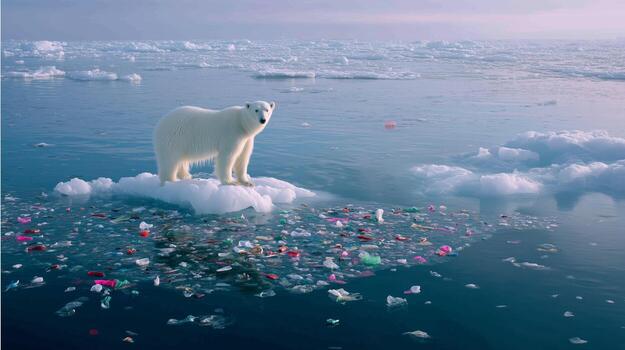
We have all seen the photographs: a polar bear on a shrinking ice floe, a forest turned to ash, a bleached coral reef that was once a riot of colour. These images are not anomalies. They are snapshots of a larger transformation that is quietly, and sometimes violently, reshaping the face of nature. Climate change is not just about rising temperatures or melting glaciers. It is about what those changes do to the living world. It is about how landscapes look different, how seasons feel different, how the very character of a place can shift within a single generation. The nature we grew up with, the forests, meadows, rivers, and coasts we thought were permanent, are becoming something else.
Frequently Asked Questions
Are there any places where Climate change is making Nature look more beautiful?
Beauty is subjective. Some landscapes, such as the expanding green of Arctic tundra or the autumn colours that linger longer, might appear more vibrant or lush. However, these changes often come with ecological costs: species loss, increased fire risk, and disruption of wildlife cycles. What looks like a “greening” Arctic may actually be a loss of specialised tundra species. So while some scenes may be aesthetically striking, they are not necessarily signs of a healthy or resilient nature.
How quickly is the look of Nature changing?
In many places, changes are already visible within a single human lifetime. People who return to childhood landscapes often notice different tree lines, fewer birds, or altered coastlines. Some changes, like coral bleaching, can happen in a matter of weeks. Others, like forest migration, take decades. The pace is accelerating, meaning that the nature we see today may not be recognisable to a child born now by the time they reach middle age.
Can we do anything to slow or reverse these visual changes?
Yes, but the window is narrow. Rapidly reducing greenhouse gas emissions is the most important step. Additionally, local actions can help: restoring degraded forests, creating wildlife corridors, reducing other stresses like pollution and overfishing, and protecting climate refugia (places that remain relatively stable). Some visual changes, like coral bleaching, can be reversed if temperatures cool quickly enough. Others, like the loss of a glacier, are irreversible on human timescales. The goal is to preserve as much of the natural beauty and function as possible while adapting to the changes we cannot stop.
The Fading of Ecosystems and the Rise of Brown
Coral bleaching is one of the most dramatic visual changes driven by climate change. When ocean temperatures rise, corals expel the algae that live in their tissues and provide them with colour and food. The result is a stark white skeleton. Repeated bleaching events have turned large sections of the Great Barrier Reef and other reefs worldwide into underwater graveyards. The riot of pinks, oranges, and greens is replaced by a monochrome of bone and algae‑covered rubble.
However, warmer temperatures and prolonged droughts stress trees, making them vulnerable to pests. In North America and Europe, vast swaths of conifer forests have turned reddish‑brown as bark beetles kill millions of trees. After the needles fall, the landscape becomes a grey expanse of dead trunks. Similarly, in Australia, eucalyptus forests that once appeared deep green are now punctuated by the pale skeletons of trees killed by heatwaves and fire.
In colder regions, the opposite is happening. Warmer temperatures are allowing shrubs and grasses to expand into previously barren tundra. From a distance, the Arctic is becoming greener. But this greening is not a sign of health; it alters albedo (reflecting less sunlight, causing more warming) and threatens species adapted to the open tundra. The visual change is subtle, but the ecological shift is profound.
The Breaking of Patterns of Seasons, Shorelines, and Skies
Leaves appear earlier and fall later. Spring flowers bloom weeks ahead of schedule. Autumn colours are muted or arrive at different times. Migratory birds and insects arrive when their food sources have already peaked. The visual sequence that once marked the passage of the year is becoming unpredictable. A walk in the woods no longer follows the calendar the way it used to.
Additionally, rising sea levels and stronger storms are eating away at coastlines. Beaches narrow, cliffs crumble, and salt marshes are inundated. Mangrove forests, which once formed a green fringe along tropical coasts, are retreating or dying. The look of the shore is shifting inland, leaving behind dead trees standing in salt water. Places that were once grassy dunes become open water.
Wildfire seasons are longer and more intense. The sky, once blue, now fills with smoke that turns the sun orange and the daylight dim. In parts of the western United States, Australia, and southern Europe, smoky skies have become a regular feature of summer and autumn. This change in the look of the sky is not just aesthetic; it is a sign of landscapes burning at unnatural frequencies.
The Emergence of Novel Ecosystems
In places that burn frequently, fire‑tolerant species are taking over. In California, chaparral and some grasslands are being replaced by flammable invasive grasses that promote more fires. In Australia, eucalypts that resprout after fire are becoming dominant, changing the structure of forests from open woodland to dense, fire‑prone stands. The landscape looks wilder, but it is also more homogenised and more flammable.
As the Arctic warms, boreal forests are expanding into tundra. Meanwhile, at their southern edges, they are dying from drought, fire, and pests. The transition zone is visible from satellites: a ragged line where green gives way to brown, and where new trees are establishing in previously treeless areas. The look of the far north is becoming more forested, but this comes at the cost of unique tundra ecosystems.
However, if warming continues, many familiar landscapes will disappear. Tropical forests may become savannas. Mountain meadows may become shrublands. Coral reefs may become rubble fields with only a few hardy species. The nature our grandchildren see will be a mix of novel ecosystems, invasive species, and remnant habitats struggling to survive. The beauty will be different, but also diminished. The question is not whether nature will look different; it already does, but whether we will act to preserve as much of the old beauty as possible.
Wind Up
Furthermore, climate change is not an abstract threat. It is a visual reality already unfolding around us. The forests are browning, the reefs are whitening, the seasons are scrambling, and the skies are filling with smoke. These changes are not just losses of scenery; they are symptoms of a planet under stress. We cannot restore every reef or save every forest. But we can slow the rate of change by reducing emissions. We can protect the most resilient places. We can learn to see the new nature that is emerging and care for it as we cared for the old. The face of nature is changing. It is up to us whether that face still holds hope.
Comments