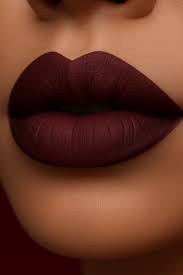
What If Real Beauty Has Nothing to Do with Cosmetics?
We have been told, directly and indirectly, that beauty comes in a bottle. A swipe of lipstick, a dusting of powder, a carefully lined eye, these, we are taught, are the tools of transformation. But what if the most compelling beauty has nothing to do with any of that? What if the glow that turns heads is not painted on but lived? This post explores the provocative idea that real beauty is not cosmetic. It is the visible result of how you treat your body, your mind, and your life.
Frequently Asked Questions
Are you saying I should never wear Makeup again?
Not at all. Makeup is a tool. It can be a form of art, a confidence booster, or simply a fun way to change up your look. The problem is not wearing makeup; it is believing that you need it to be beautiful. If you wear makeup because you enjoy it, that is freedom. If you wear makeup because you feel ugly without it, that is a trap. The goal is to shift from dependency to choice.
What about people with skin conditions like Acne or Rosacea? Isn't it natural to want to cover those?
Absolutely. Cosmetics can be a helpful tool for managing the social and emotional challenges of visible skin conditions. There is no shame in wanting to cover something that makes you feel self‑conscious. However, the deeper beauty work is still internal: accepting that your worth is not determined by the clarity of your skin. You can use makeup for coverage while also working on self‑acceptance. The two are not mutually exclusive.
How long does it take to see the Beauty effects of self‑care habits like sleep and hydration?
Some changes appear quickly. A single night of good sleep brightens the eyes and reduces puffiness the next day. A week of consistent hydration improves skin plumpness. Other changes take months: the reduction of fine lines from reduced stress, the overall radiance from regular exercise, and the softness of expression that comes from inner peace. The key is to stop checking the mirror every morning for results. Do the habits because they are good for you. The beauty will follow on its own schedule.
The Cosmetic Illusion: What Makeup Can and Cannot Do
Makeup is not evil. It can enhance features, cover temporary imperfections, and provide creative expression. It can boost confidence for a job interview or a night out. Used skillfully, it highlights what is already there. The problem is not makeup itself. It is the belief that makeup is the primary source of beauty.
When we rely on cosmetics to feel beautiful, we also learn to feel ugly without them. The face that looks “incomplete” before foundation, the eyes that feel “small” without eyeliner, the skin that seems “flawed” uncovered, these are not truths about our faces. They are lessons taught by an industry that profits from dissatisfaction. Real beauty cannot depend on a product that you have to reapply every few hours. Additionally, cosmetics cannot give you clear skin; they can only cover blemishes. They cannot give you bright eyes; they can only line them. They cannot give you a calm, confident expression; they can only paint one on. These things, clarity, brightness, calm, and confidence, come from elsewhere. And they are exactly what make a face truly beautiful.
The Real Sources of Lasting Beauty
1. Beauty from Rest: A face that has slept enough looks different. The eyes are brighter, the skin is calmer, the expression is softer. No concealer can replicate the effect of deep, consistent sleep. Yet we sacrifice rest for productivity, then try to fix the damage with products. Real beauty starts with the discipline of going to bed.
2. Beauty from Hydration and Nutrition: Dehydrated skin looks dull, tight, and older than it is. A diet high in processed foods triggers inflammation that shows up as redness, puffiness, and breakouts. Drinking water, eating vegetables, and choosing whole foods over packaged ones creates a visible difference that no highlighter can match. This is not about diet culture; it is about giving your body what it needs to function well. When it functions well, it looks well.
3. Beauty from Movement: Exercise increases blood flow, which delivers oxygen and nutrients to the skin. It reduces stress hormones that damage collagen. It shapes posture and muscle tone, changing not just the body but the way a face sits on it. A person who moves regularly has a different energy, a different glow. Cosmetics can suggest energy; movement creates it.
4. Beauty from Emotional Well‑Being: The face is a map of inner experience. Chronic stress, anxiety, and unhappiness leave marks: furrowed brows, tight jaws, downturned mouths. Conversely, genuine calm, joy, and self‑acceptance soften the face. People who have done inner work, who have healed something or found peace, radiate a beauty that no cosmetic could manufacture. It is not about smiling more. It is about feeling more at ease.
5. Beauty from Purpose and Presence: There is a specific beauty in someone who is fully engaged with life. The focused expression of a person doing meaningful work. The open, curious look of someone listening deeply. The relaxed face of someone who is not performing but simply being. These states are beautiful because they are authentic. Cosmetics can only ever be a mask. Presence is the face itself.
How to Cultivate This Kind of Beauty (Without Rejecting Cosmetics Entirely)
1. Shift Your Morning Ritual: Instead of starting the day by looking in the mirror and noting what needs to be “fixed,” start by caring for your body. Drink water. Stretch. Breathe deeply. Apply sunscreen for health, not for perfection. Then, if you enjoy makeup, use it as a creative expression, not as repair work. The order matters. Care first, then decorate if you wish.
2. Invest in Habits, Not Products: Spend your resources on things that build lasting beauty: a good mattress, nutritious food, a gym membership, therapy, time in nature, stress management tools. These investments pay dividends for decades. A fifty‑pound eyeshadow palette lasts a year. A daily walking habit lasts a lifetime and shows on your face every single day.
3. Learn to See Yourself Unadorned: Spend time with your bare face. Not to criticise it, but to know it. Notice its unique geography: the shape of your eyes, the curve of your lips, the way light falls on your skin. However, this is your face; it is the only one you will ever have. Learning to see it as acceptable, even beautiful, without product is a radical act in a world that profits from your insecurity.
4. Let Go of the Comparison Game: Cosmetics marketing thrives on comparison: her skin is smoother, her lips are fuller, her eyes are more defined. The beauty that comes from self‑care has no competitor. It is not better than anyone else’s; it is simply yours. When you stop trying to look like someone else, you free yourself to look like the best version of you. Additionally, that version is always more beautiful than a copy.
Wind Up
Furthermore, what if real beauty has nothing to do with cosmetics? Then we have been looking in the wrong places. We have been buying solutions to problems that exist mostly in our own minds, fed by industries that need us to feel insufficient. Real beauty is not purchased. It is cultivated. It is the visible outcome of sleeping enough, eating well, moving your body, tending to your emotions, and living with purpose. It shows up in a calm expression, a steady gaze, a relaxed posture. It does not need to be applied in the morning or touched up in the afternoon. It simply is. This does not mean you must throw away your makeup bag. Cosmetics can be fun, creative, and expressive. But they are not the source of beauty. You are. And the sooner you believe that, the less you will feel the need to cover anything up. Because there will be nothing to hide.
Comments