If Artificial Intelligence Writes the Poem, Who Is the Poet?
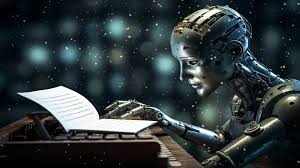
Artificial intelligence serves as a mirror, reflecting the collective sum of human emotion and history without actually experiencing it. Start with the scene. You read a poem. The words cut deep. They speak of longing, of loss, of something that feels utterly human. You feel moved. You want to know the poet, the person who bled these words onto the page. Then you learn the truth. No human wrote it. An artificial intelligence generated the words in seconds, drawing from millions of poems it had studied. The feeling you had, the connection you felt, was real. But the source was not. So where did the poem come from? Who made it? And if a machine can make us feel this way, what happens to the humans who have spent their lives learning to do the same?
This post explores those questions. We will look at what happens to creativity when machines can mimic it perfectly. We will ask who gets the credit, who holds the meaning, and what is left for human artists when the algorithm can paint, write, and compose. The title asks: if artificial intelligence writes the poem, who is the poet? The answer is not simple. But the search for it will tell us everything about the future of creativity.
Frequently Asked Questions
Can Artificial Intelligence ever be truly Creative?
No, not in the way humans are. Artificial intelligence can combine existing ideas in new ways. It can surprise us with unexpected results. But true creativity requires intention. It requires wanting to say something, to express something, to share something from inside yourself. Machines have no inside. They have no self. They do not want to say anything. They simply follow instructions. The results may look creative, but the process is mechanical. Creativity without consciousness is just clever copying.
Will Artificial Intelligence replace Human Artists?
It will replace some, but not all. Artists who produce predictable, formulaic work may find the machine does it faster and cheaper. But artists who offer something the machine cannot, a unique voice, a real story, a genuine human presence, will become more valuable, not less. The key is to stop competing with the machine on its terms. Do not try to be faster or more perfect. Be messier. Be realer. Be human. The machine cannot follow you there.
If I use Artificial Intelligence to help with my Creative Work, am I still the Artist?
Yes, if you are still the one with the vision. Using artificial intelligence is like using any other tool. A photographer uses a camera. A painter uses brushes. A writer uses a pen. The tool does not make the art. The person directing the tool makes the art. The danger comes when you let the machine lead, when you accept its suggestions without question, when you stop bringing your own voice to the process. If you use the machine as a partner, not a replacement, you are still the artist. The poem is still yours.
The Difference between Making and Creating
When a human writes a poem, something happens inside. The words come from experience, from pain, from joy, from years of living. The poet does not just arrange words. They pour themselves onto the page. When artificial intelligence writes a poem, it does none of this. It has no self to pour. It analyses patterns in existing poems and assembles new combinations that fit those patterns. The result can look like a poem. It can even feel like a poem. But it was not created in the way humans create. It was manufactured.
Some argue that artificial intelligence is creative in its own way. It produces things that have never existed before. It surprises us. It makes connections humans might never make. But here is the question: does that make it a poet, or does it make it a very clever mirror? The machine reflects everything humans have already made. It cannot draw from life because it has no life. It cannot suffer, love, or lose. It can only describe these things using words others have left behind. The poet brings something new into the world. The machine rearranges what is already there.
If artificial intelligence writes a poem using lines stolen from a hundred dead poets, who owns the result? The machine owns nothing. It cannot hold a copyright. The programmers who built it? They did not write the poem. The poets whose work was studied? Their words are scattered through the machine's output, rearranged beyond recognition. The poem floats in a strange space, owned by no one, created by nothing, yet still capable of moving us. This is the new reality. Art without an artist. Beauty without a begetter.
The Problem of Perfect Imitation in AI
Think about why a handwritten letter from a grandparent matters more than an email. The words might be simpler, the spelling imperfect. But the letter carries something. It carries the pressure of the hand that held the pen. It carries the hours spent thinking of what to say. It carries love. Human art works the same way. When we read a poem, we are not just reading words. We are connecting with another human across time and space. We are feeling what they felt. That connection is the whole point. Machine art offers the words but not the connection. It gives us the product without the person.
Additionally, artificial intelligence is getting better at mimicking human feelings. It can write poems that sound sad, paint pictures that look lonely, and compose music that feels triumphant. But the sadness, loneliness, and triumph are not real. They are tricks, clever arrangements of symbols that trigger human responses. The danger is that we stop caring about the difference. If the machine can make us feel something, do we need the human behind it? The answer matters because if we stop valuing the human, we stop valuing the thing that makes art matter in the first place.
When machines can produce infinite art instantly, the thing that becomes rare is not the art itself. It is the human story behind it. A painting by a machine is one of millions. A painting by a human who struggled, who lived, who put something of themselves into the work, that becomes precious. The future of creativity may not be about making the best art. It may be about making the most human art. The flaws, the imperfections, the messy evidence of a real person at work, these become the signs of value. We will seek out the human, not despite the machine but because of it.
The Question of the Future
In the future, the artist may not hold the brush. They may hold the vision. Artificial intelligence can execute, can render, can produce. But someone must decide what is worth making. Someone must have the idea, the feeling, the impulse that starts the whole process. The artist becomes a director, pointing the machine toward something meaningful. The hands are not theirs, but the vision is. This is not the end of the artist. It is a new kind of artist, one who works through the machine rather than against it.
1. The Artist as Questioner: Another role opens up. The artist becomes the one who questions the machine. Who challenges its outputs. Who looks at what the algorithm produces and says, "This is empty. This is wrong. This is not what we are." The artist becomes the guardian of meaning, the one who reminds us that art is not just an arrangement but an expression. In a world flooded with machine creations, the human artist stands apart by asking the hard questions. What is real? What matters? What is worth feeling?
2. The Return to the Human: There is a third possibility. As machines take over more and more creative work, humans may turn back to themselves. We may lose interest in what the machine makes and seek out art made by real people, for real people, in real time. Live music, hand-drawn sketches, poetry readings in small rooms. These things become more valuable, not less, because they cannot be mass-produced. They require presence. They require a human body in a human space. The future of creativity may look a lot like the past, but we will come to it with new eyes, grateful for the mess and the imperfection because we know what the alternative looks like.
Wind Up
Bring the threads together. Artificial intelligence can write a poem. It can arrange words in ways that move us. But it cannot be the poet. The poet is the one who lived, who suffered, who loved, who sat with the weight of being human and tried to put it into words. The machine has none of this. It has only our leftovers. So, who is the poet when artificial intelligence writes the poem? No one. And everyone. The poem comes from nowhere and everywhere. It is a reflection of all the humans who came before, all the words they left behind, all the feelings they poured into language. The machine is just the mirror. We are the ones who put the feeling there in the first place.
Comments